The picture
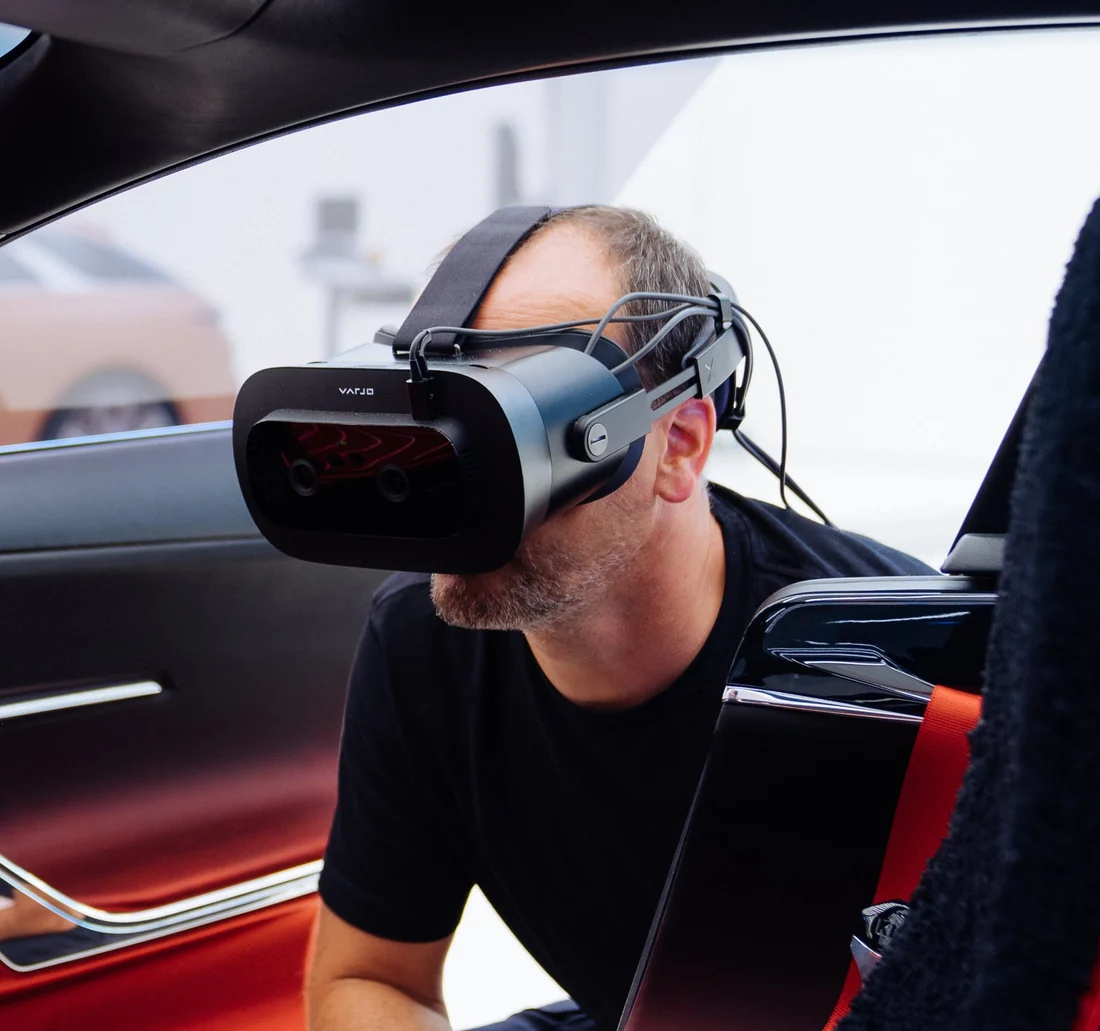
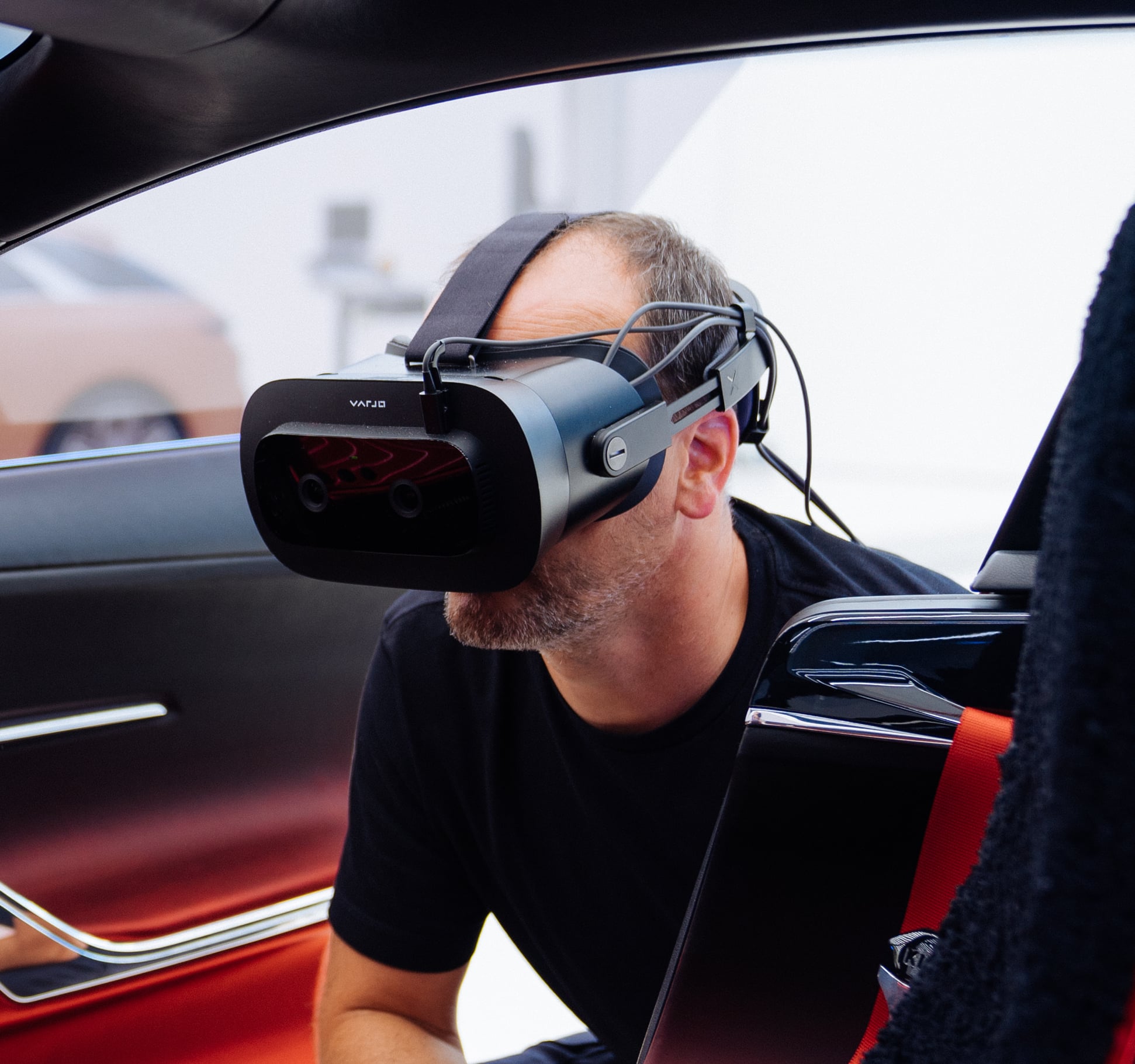
A case study published by Varjo documents Kia's Europe Design Center in Frankfurt using Varjo mixed-reality headsets with Autodesk VRED to review car designs alongside physical clay models in the same room. It names Gregory Guillaume, Vice President of Design at Kia Motors Europe, as the studio's lead, Thomas Unterluggauer, Creative Manager CGI, as the headset operator, and Frank Hübbe, Manager of the digital department, describing the limits of screen-based review.
What the documents show
Hübbe is quoted saying, "Although you can use keyboard, mouse, and screen to work efficiently in 2D, you'll never get a fully realistic impression of the car." The case study describes designers overlaying photorealistic virtual models onto physical prototypes or viewing them side by side at real scale, and augmenting physical seating bucks with digital content for interiors. Guillaume is quoted saying design reviews with global headquarters fell "from days to an hour." Unterluggauer adds, "For the first time, we could literally see the metallic flakes in the paint and perceive the depth and quality of the material shaders" — a named individual's perceptual account, not a measured calibration against a paint sample. Autodesk's own VRED page separately quotes Guillaume describing VR collaboration letting "the design team and key Korea executives...be in the virtual world, walking around models," corroborating the practice from a second vendor account.
What it is allowed to decide
On these sources, the reviewed decision sits at Class 2, Creative approval: impression, proportion and material appearance, not engineering or manufacturing sign-off. The physical clay model itself carries the oldest previs authority in the room — Dimensional and Physical, since it is touchable, real matter at real scale. The mixed-reality overlay adds a working Optical capability, real-time stereoscopic viewing, but the sources do not establish Photometric authority for the digital paint and material shaders; Unterluggauer's quote is a qualitative impression, not a stated calibration against the physical sample.
The disclosure label
An overlaid review session could carry a label stating: this virtual model was viewed in mixed reality alongside a physical clay model at Kia's Europe Design Center, as documented in vendor case studies retrieved 16 September 2026; it holds Dimensional and Physical authority through the physical model it accompanies; the digital material rendering does not hold independently verified Photometric authority. A studio design lead would plausibly assert this label.
- Was the digital paint shader calibrated against the physical clay model's actual sample, or is the resemblance only a visual impression reported by one team member?
- Does the review shown here extend past creative approval toward any engineering or manufacturing decision, or do the sources describe appearance review only?
- What was actually measured when review time reportedly fell from days to an hour — a tracked metric, or a single executive's recollection?
Two vendor case studies describing the same workflow strengthen the account without making it independently audited. The clay model, not the headset, still carries the authority a reader can touch.
Sources & reading trail
Varjo's own case study documents Kia's Europe Design Center workflow overlaying VRED models onto physical clay models, naming the personnel involved and quoting their account of the practice.
Source published: Not established · Retrieved: 16 September 2026
Autodesk's own page quotes the same Kia design lead describing VR collaboration with Korea-based executives, corroborating the practice from a second vendor source.
Source published: Not established · Retrieved: 16 September 2026
Documentation, handbooks, rulings and records establish the entry; the authority reading and the disclosure label are Previs Office editorial analysis. This retrospective draft does not imply the site published on the event date.