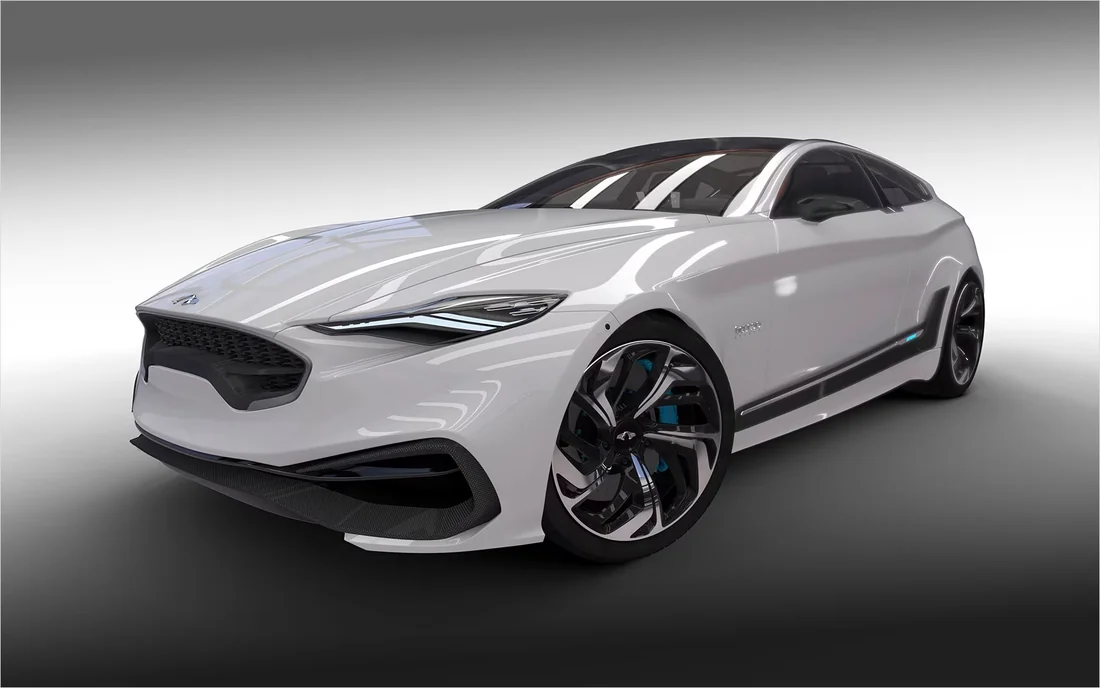
The picture
Autodesk's own VRED overview page, current as retrieved 16 September 2026, describes four tiers — VRED Design for reviewing automotive ideas in real time, VRED Professional for high-end visualization and virtual prototypes, VRED Core for rendering and streaming 3D data on demand, and VRED Presenter for interactive product configuration. Autodesk names Nissan Motor Co., Siemens AG and Kia Europe as customers, with Nissan's Alfonso Albaisa, SVP Global Design, quoted saying the collaboration "is going to create innovation and improvement in our process."
What the documents show
Autodesk's own feature list repeatedly pairs "validate" with design review, not certification: virtual prototyping is described as creating "realistic representations of CAD data to verify quality, appearance, and function," and visual simulation as letting teams "simulate and validate ergonomic, lighting, and engineering designs." The page states VRED is used to "explore or validate digital designs for informed decision making" by automotive designers, technical surfacing specialists, lighting engineers and perceived-quality specialists. These are the vendor's own descriptions of its product's role; the page cites no independent audit of rendering accuracy or a named engineering-certification use. A separate vendor case study of Kia's use of VRED corroborates the OEM-scale claim from outside Autodesk, describing the tool inside a design-review workflow rather than a certification step.
What it is allowed to decide
On these sources, VRED supports Class 2, Creative approval, extending toward Class 3, Commercial, decisions — reviewing appearance, ergonomics and configuration before a design is locked. It holds a working Provenance claim, since Autodesk describes VRED assembling CAD data into "a holistic digital control model" positioned as a single source of truth. It does not, on this source, hold Auditability or Class 6, Regulated-artifact, authority: nothing here states VRED output is version-controlled to a standard, or that it serves as certified engineering or safety data. The entry's own brief is explicit that VRED's documented role is design review, not structural or safety certification.
The disclosure label
An image produced in VRED for an OEM design review could carry a label stating: this rendering was produced in Autodesk VRED for design review and validation, as described in Autodesk's own materials retrieved 16 September 2026; it holds Provenance, tracing to prepared CAD data; it does not hold Auditability or Regulated-artifact authority absent separate certification. A design-visualization lead would plausibly assert this label.
- Which specific VRED tier produced this image, since Design, Professional, Core and Presenter serve different stages of review?
- Has the underlying CAD data been separately verified, since VRED's own description covers appearance and function, not certification?
- Is this image being used for the creative or commercial approval it documents, or stretched toward a technical or regulatory claim it does not support?
A vendor's feature list is evidence of intended use, not of independent verification. Reading "validate" here as design confidence, not certification, keeps the claim inside what Autodesk's own page actually states.
Sources & reading trail
Autodesk's own overview page (archived after the live page returned a bot-blocked 403) describes VRED's four product tiers, feature set and named OEM customers Nissan, Siemens and Kia.
Source published: Not established · Retrieved: 16 September 2026
An independent vendor's case study corroborates VRED's role at OEM scale, describing Kia's Europe Design Center using VRED for design review rather than certification.
Source published: Not established · Retrieved: 16 September 2026
Documentation, handbooks, rulings and records establish the entry; the authority reading and the disclosure label are Previs Office editorial analysis. This retrospective draft does not imply the site published on the event date.