The picture
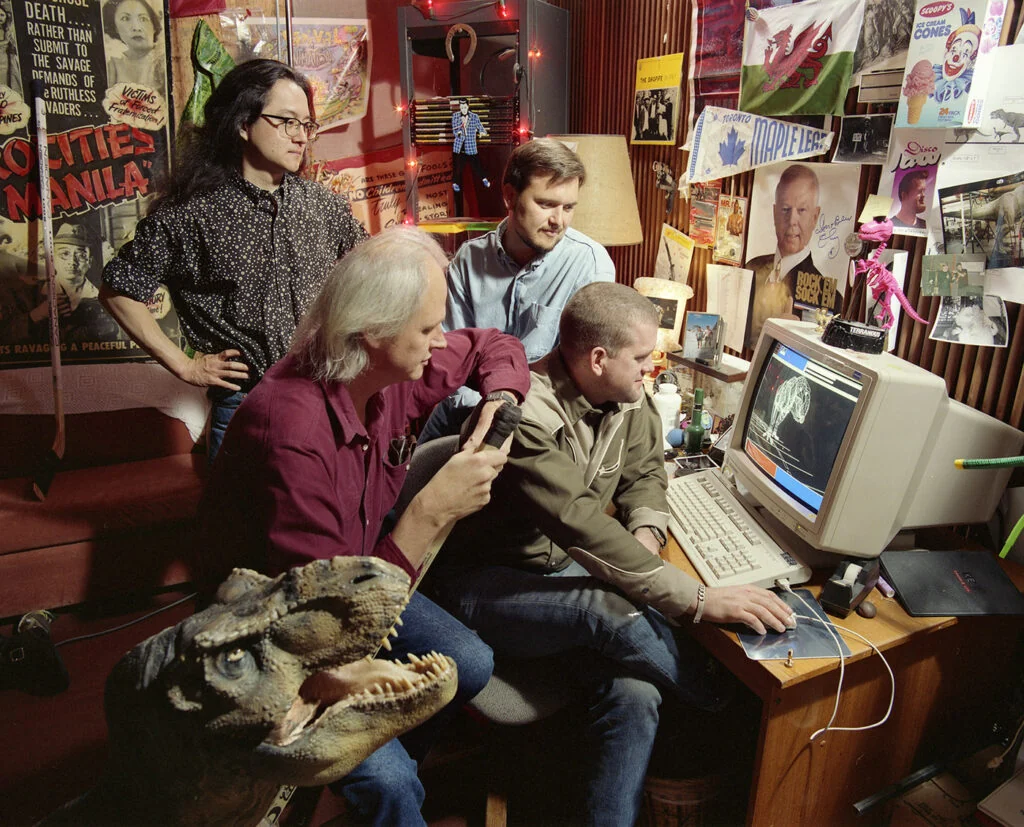
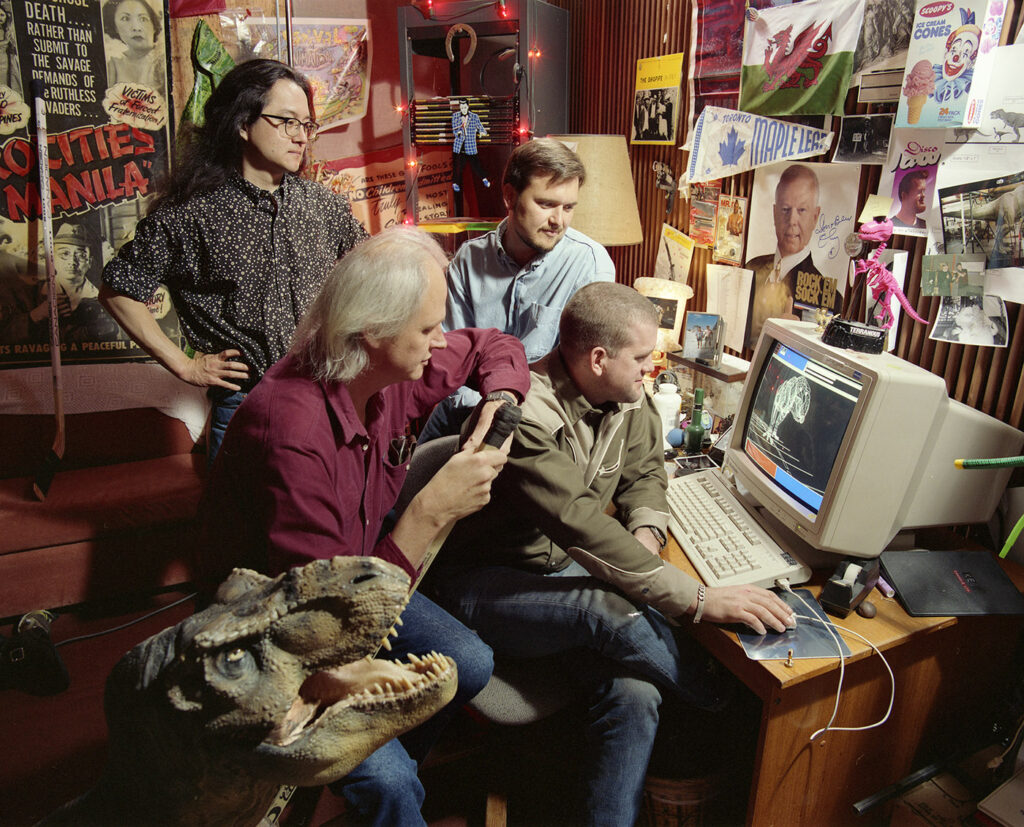
The American Cinematographer article 'Jurassic Park: Effects Team Brings Dinosaurs Back from Extinction', published by the ASC in June 1993 alongside the film's release, documents how Stan Winston's studio built full-size animatronic dinosaurs and how the same one-fifth-scale maquettes and mechanical designs served as reference for the computer-generated dinosaur work credited to Phil Tippett, Dennis Muren and Industrial Light & Magic. ILM's own later page, 'Creating the Dinosaurs of Jurassic Park', adds that the production originally planned traditional stop-motion animation and changed course to computer animation after an internal test screening, with under a year left before release.
What the documents show
The June 1993 ASC account is a contemporaneous, on-set report naming the mechanical-effects and creature-design process in detail: full-scale animatronics, scale maquettes, and the division of labour between Stan Winston Studio, mechanical-effects supervisor Michael Lantieri, and ILM's computer-graphics team. ILM's own retrospective page confirms the stop-motion-to-CG pivot and the compressed schedule but, like the 1993 article, never uses the word previsualization or names a dedicated planning tool for camera or shot design. Read carefully, the documents show a well-documented creature-effects achievement sitting beside a planning process neither source calls a distinct previs discipline.
What it is allowed to decide
On these sources, the scale maquettes and mechanical designs can support Class 5, Technical execution, for the physical and animatronic build: they fixed a design that construction crews then had to match at full scale, under safety constraints the ASC article describes in detail. Neither source, however, establishes that a distinct camera or shot-planning previs process reached that class on this production. Of the six authorities, the sources support Physical authority for the animatronic engineering itself, since the ASC article describes measured, counter-balanced hydraulics built to a specified behaviour. They do not establish Provenance authority for the CG creature assets, since neither source documents an asset-licensing chain.
The disclosure label
Labelled in the site's own format and dated 16 September 2026, this artifact would read: full-size animatronic and scale-model dinosaur designs documented in the ASC's June 1993 account; Class 5, Technical execution, for the physical build; holds Physical authority over the animatronic engineering; does NOT HOLD a confirmed previs-specific authority, since no dedicated previsualization process is named in the sources. A visual-effects supervisor describing the production's own record, rather than a previs vendor, would plausibly assert this label.
- Is a creature's mechanical design documentation the same thing as a previs record of a scene?
- What in the 1993 account was measured and engineered, and what was still directed by eye on the day?
- When a retrospective says a production used digital previs, does the citation describe a shot-planning process or a visual-effects achievement?
Jurassic Park's creature engineering is one of the best-documented achievements of its era, thanks to the ASC's own contemporaneous reporting. That same documentation is a useful check against looser retrospective claims that treat the film as a previs landmark: the sources opened for this entry describe a mechanical and computer-graphics triumph, not a named pre-visualization method, and the two should not be collapsed into one claim.
Sources & reading trail
Contemporaneous June 1993 ASC account describing the mechanical, animatronic and CG creature-design process, including that scale maquettes served as reference for ILM's computer-generated dinosaur work.
Source published: 1 June 1993 · Retrieved: 16 September 2026
ILM's own retrospective states the production originally planned stop-motion animation and switched to computer animation after a test screening, under a compressed schedule.
Source published: Not established · Retrieved: 16 September 2026
Documentation, handbooks, rulings and records establish the entry; the authority reading and the disclosure label are Previs Office editorial analysis. This retrospective draft does not imply the site published on the event date.