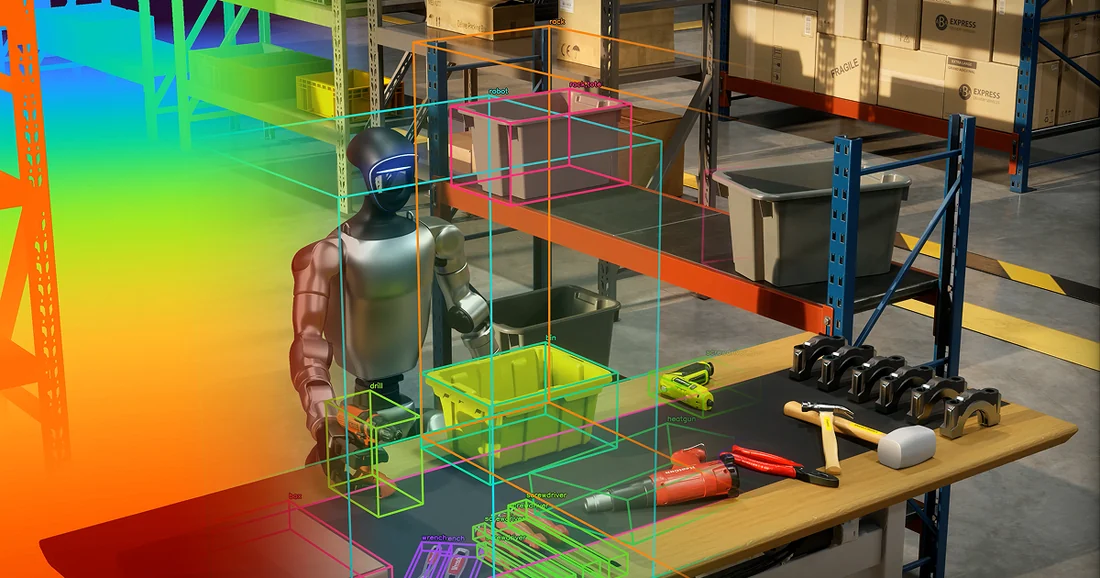
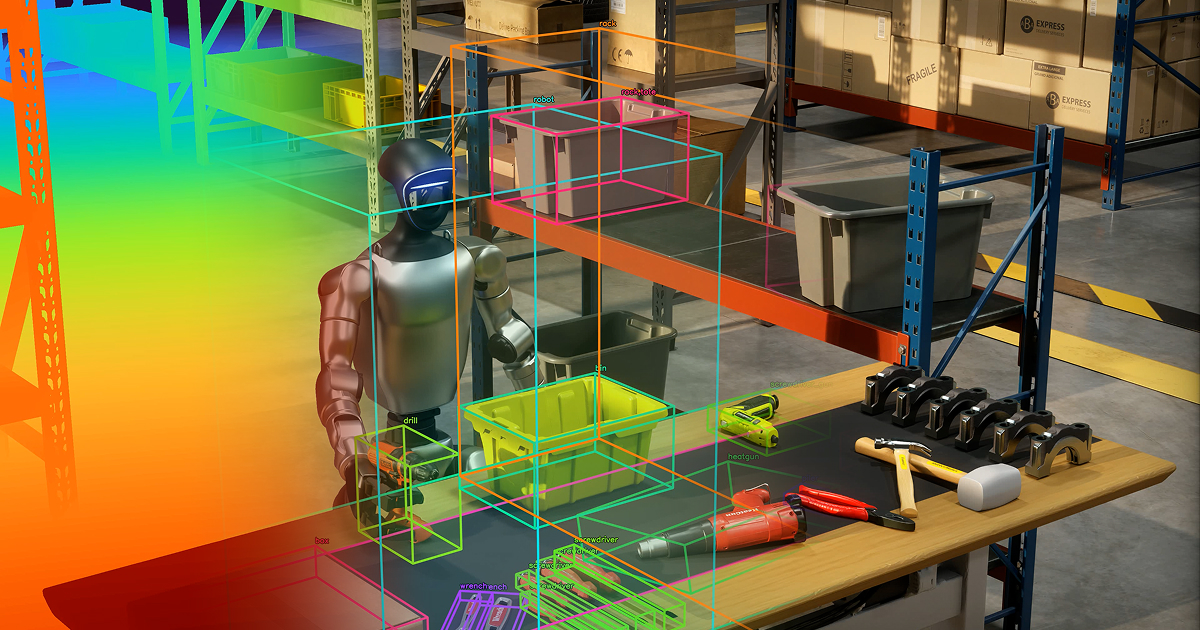
The picture
OpenUSD's own release documentation, at version 26.08 as retrieved 16 September 2026, describes USD as "a high-performance extensible software platform for collaboratively constructing animated 3D scenes," built with "an expanding set of schemas covering domains like geometry, shading, lighting, and physics," maintained in the PixarAnimationStudios/OpenUSD repository and referencing a USD Working Group Wiki. Foundry's own Nuke page states that Nuke supports "rising technologies including Hydra and USD." NVIDIA's Omniverse page lists "OpenUSD Data and Interoperability" as one of its "Core Omniverse Libraries and Services," for connecting and exchanging 3D scene data across applications.
What the documents show
All three organisations independently describe USD as an interchange layer their own products build on or support, which is stronger evidence than any single vendor's claim alone. But Foundry's own choice of the word "rising" is notable: Foundry, the vendor with the most to gain from claiming finished USD support, describes it as still emerging rather than complete. NVIDIA's page frames OpenUSD as one core library among several rather than describing all of Omniverse as built on it outright. Read together, these are three vendors confirming USD's centrality without any of them claiming universal, lossless interchange across every tool and feature set.
What it is allowed to decide
A shared file format is an Auditability and interoperability mechanism, not a guarantee of any particular authority in the image it carries; a USD file can be reopened and inspected across tools, which supports Auditability directly. It does not, by itself, establish Provenance for everything inside it: a USD scene can combine assets from many sources, and the format's schemas do not themselves certify where each asset originated or under what licence, a separate documentation task in every case cited here.
The disclosure label
A cross-tool deliverable passed through USD, disclosed as of 16 September 2026, should state which specific tools and versions exchanged the file and whether every feature used - materials, physics, lighting - was confirmed to survive the handoff, since the alliance's own documentation describes USD's schema set as expanding rather than closed. A pipeline technical director would be the plausible party asserting that disclosure.
- Which specific USD schemas does this handoff rely on, and has each tool's support for them been checked, not assumed?
- Did anything visibly change - materials, lighting, physics setup - when the file moved between tools?
- Is "USD-compatible" being treated as equivalent to "lossless," when the format's own documentation does not claim that?
USD answers the format-incompatibility risk this manifest documents elsewhere with a real, widely adopted mechanism, not a completed guarantee, and the vendors' own pages are consistent on that distinction even as they compete for adoption around it.
Sources & reading trail
Describes USD's purpose, expanding schema set, current version, and Pixar-maintained repository and working group.
Source published: Not established · Retrieved: 16 September 2026
States Nuke's own support for Hydra and USD, describing them as rising rather than fully mature technologies.
Source published: Not established · Retrieved: 16 September 2026
Lists OpenUSD Data and Interoperability as a core Omniverse library for exchanging 3D scene data across applications.
Source published: Not established · Retrieved: 16 September 2026
Documentation, handbooks, rulings and records establish the entry; the authority reading and the disclosure label are Previs Office editorial analysis. This retrospective draft does not imply the site published on the event date.