The picture
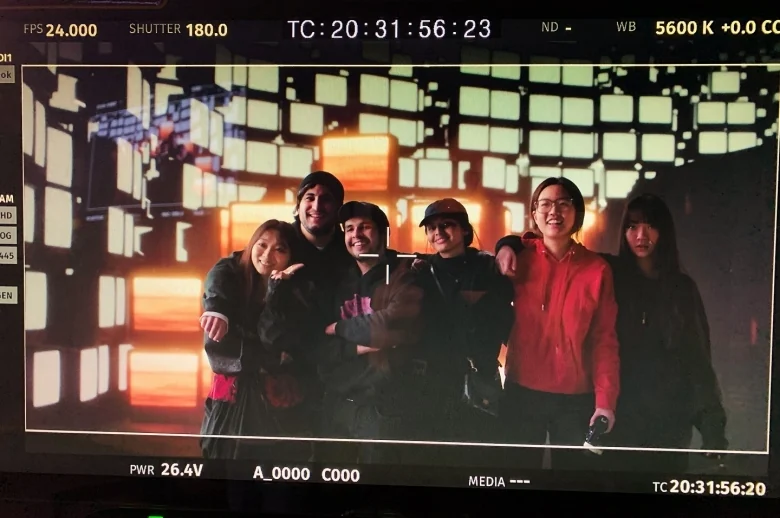
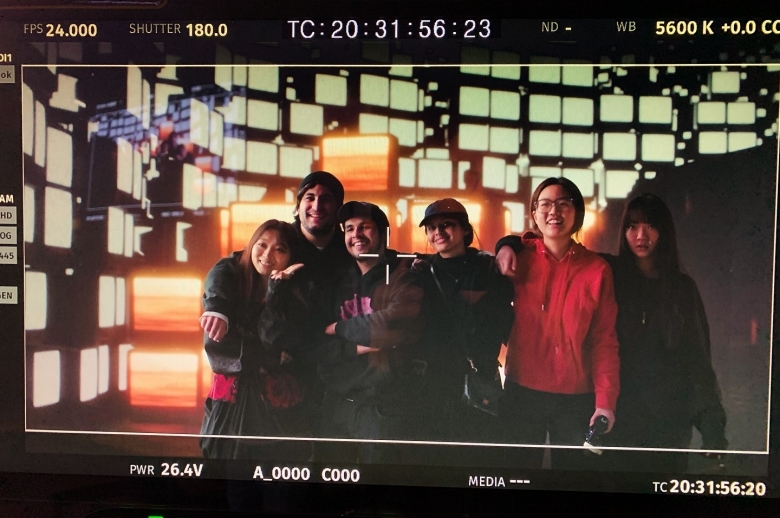
New York University's Tisch School of the Arts operates the Martin Scorsese Virtual Production Center on the top floor of Building 8 at Industry City in Brooklyn, housing two double-height stages, television studios, control rooms and post-production labs. The Center runs a one-year Master of Professional Studies (MPS) degree, under the Martin Scorsese Institute of Global Cinematic Arts, structured, as its own curriculum page states, around 'nine months from end of August to mid May' with three days of weekly instruction.
What the documents show
The programme's own curriculum page states that in the fall semester 'students will learn the technical workflow and software predominantly used for virtual production such as Epic Games Unreal Engine, Autodesk Maya, utilizing version control through Perforce', with 'course work' carrying 'from virtual art department and previsualization in the lab to the virtual production volume'. Only in the spring do the programme's three student-crewed thesis groups enter a 'two-week production period filming their group thesis' on the stage, an 8-10 minute film shot on an ARRI Alexa 35. The Center's general programme page corroborates the same facility and names one crew's work, 'The Feather', during principal photography. Neither page is an MFA program, as sometimes assumed; both consistently describe it as an MPS, and neither page discloses graduate placement or outcome data, so this entry makes no claim about either.
What it is allowed to decide
As with the Melbourne credential, this is an institution's own account of its teaching sequence, not evidence about any specific previs image's authority on a production. It supports a Class 1 Alignment reading: NYU asserts previs and virtual-art-department work as the prerequisite stage before its volume is used, sequencing technical training (Unreal, Maya, Perforce) ahead of stage time rather than treating previs as an afterthought. It holds no Dimensional, Photometric or Physical authority over any specific thesis film, since no rendered asset is described in the cited pages, and no Provenance authority over asset licensing, which the pages do not address.
The disclosure label
Labelled here: an academic programme description, Class 1 Alignment for training-sequence claims; Auditability held for the stated schedule and tool list; Provenance and Photometric authority not held, since no specific artifact is assessed. Dated 16 September 2026, this would be asserted by NYU Tisch's own programme administration, not by an independent accreditor or a graduate's employer.
- Does sequencing previs training before volume access actually change what a thesis crew can decide once shooting begins?
- What happens when the fall previsualization plan meets the volume's real constraints in the two-week spring shoot?
- Would an employer treat this MPS credential differently from the University of Melbourne's five-day micro-credential, and on what basis?
NYU's own sequencing states a preference, previs and tool literacy before stage time, that a curriculum can assert; only the thesis films it produces, not the curriculum page, could show what that sequencing was actually worth.
Sources & reading trail
NYU Tisch's own programme page describes the Center's Industry City stages and facilities and its MPS-in-Virtual-Production thesis-group structure.
Source published: Not established · Retrieved: 16 September 2026
The programme's own curriculum page states it is a one-year Master of Professional Studies (MPS) degree whose fall semester teaches Unreal Engine, Maya, Perforce version control and previsualisation in the lab, before spring production crews shoot an 8-10 minute thesis film on the virtual production volume.
Source published: Not established · Retrieved: 16 September 2026
Documentation, handbooks, rulings and records establish the entry; the authority reading and the disclosure label are Previs Office editorial analysis. This retrospective draft does not imply the site published on the event date.