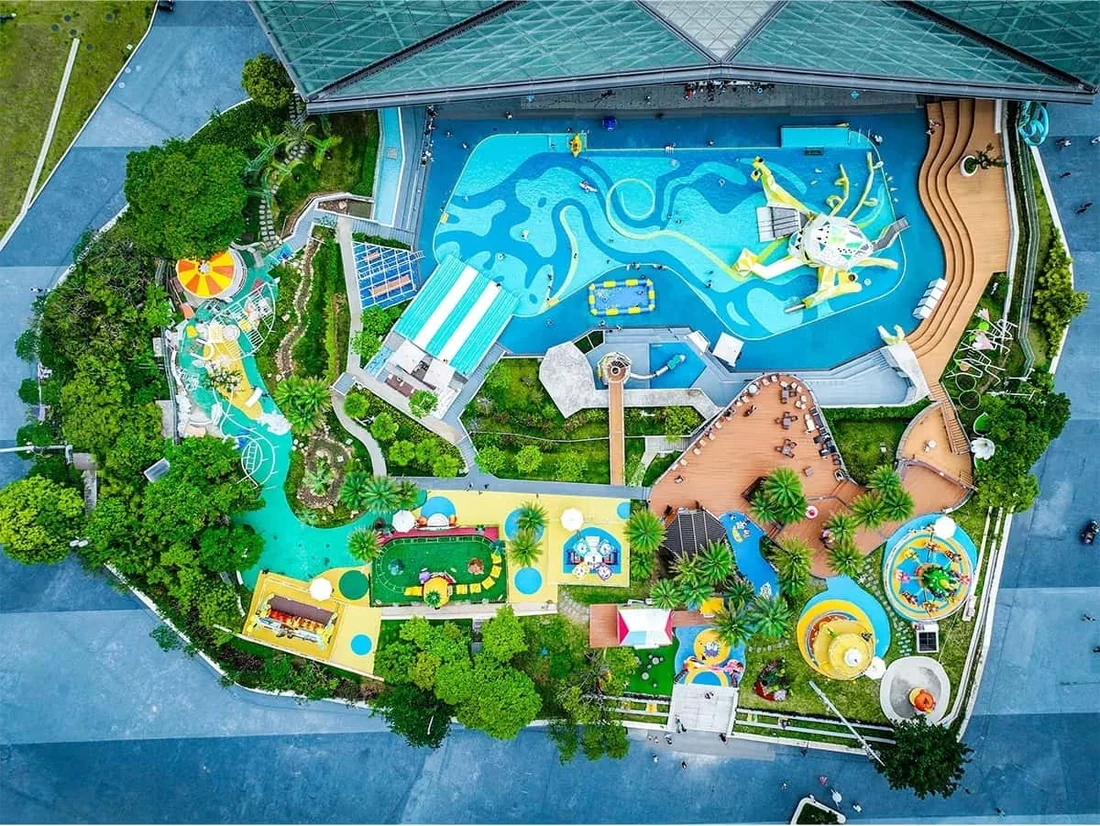
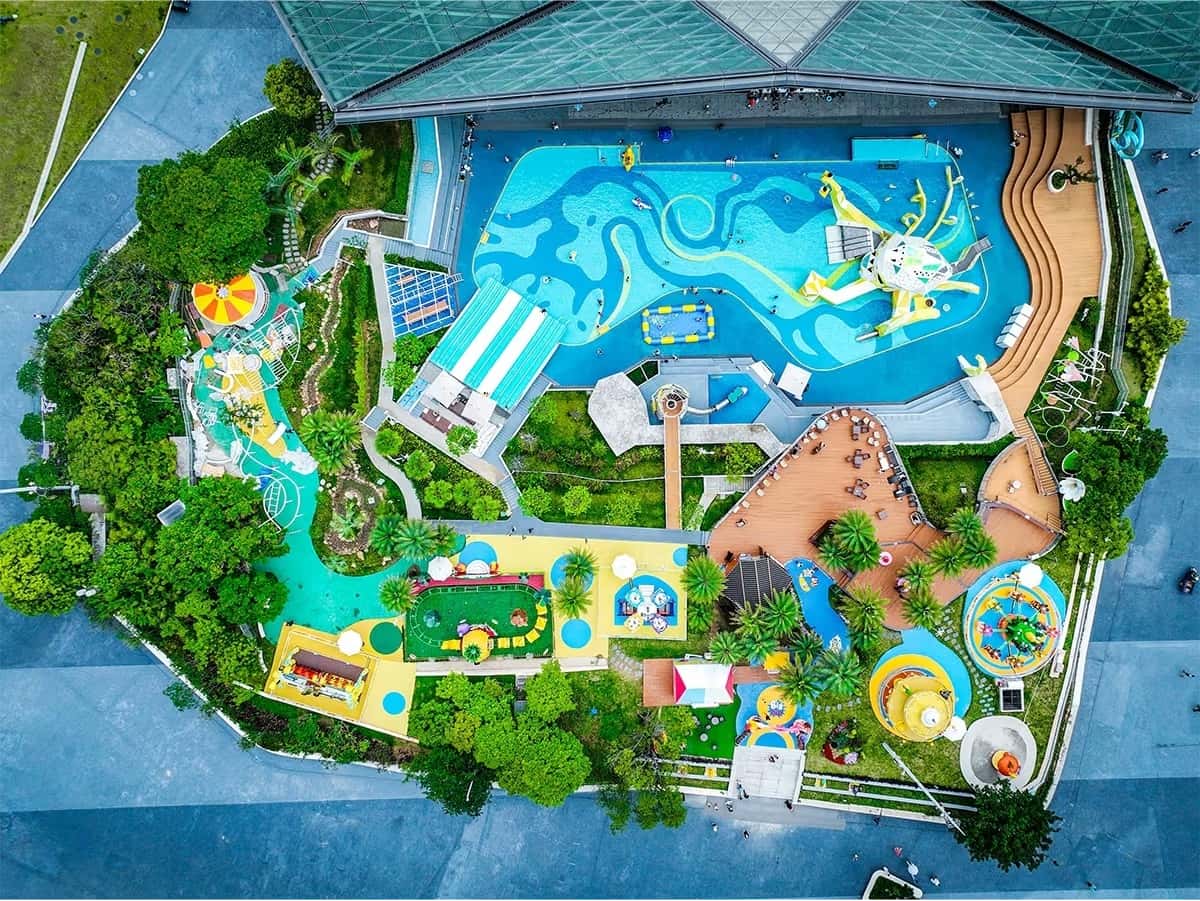
The picture
ASTM International maintains two standards bearing directly on themed-entertainment engineering, both from ASTM Committee F24: F2291, Standard Practice for Design of Amusement Rides and Devices, and F770, Standard Practice for Ownership, Operation, Maintenance, and Inspection of Amusement Rides and Devices. F2291's own scope states it establishes criteria for designing amusement rides, devices and major modifications manufactured after its effective date, while F770's scope covers operations, maintenance and inspection procedures an owner or operator must follow once a ride exists. An industry design guide to theme park development, published by Isunhong and retrieved 16 September 2026, places both standards inside a four-phase sequence running from feasibility and master planning through detailed design and engineering to construction and operation.
What the documents show
ASTM's own catalogue pages state what each standard is for: F2291's purpose is to give designers, engineers, manufacturers, owners and operators criteria and references for design; F770's purpose is to delineate procedures for operation, maintenance, inspection and training after a ride is built. Neither ASTM page names previsualization or any rendering or CAD tool; the link between a previs-stage artifact and these standards is made only by the design guide, which states engineers must manage figures such as vertical and lateral G-forces during detailed design, work it places under F24, and that F770 defines the owner's responsibilities once construction ends. This entry treats the guide's four-phase account as industry practice, not an ASTM document, since ASTM's own pages describe no development-phase sequence.
What it is allowed to decide
A previs artifact produced during a themed attraction's detailed-design phase can plausibly inform decision class 6, a regulated artifact, once used to demonstrate compliance with F2291, since it is binding design practice rather than a voluntary guideline. It holds Auditability where a design record is retained and later checked against the standard's criteria. It does not establish that any visualization or previs tool used earlier in design meets F2291's criteria on its own; the standard addresses the ride's engineered design, not the previs artifact communicating it, and no source states a rendered image can substitute for the engineering record F2291 requires.
The disclosure label
A disclosure for a themed-attraction design artifact approaching this standard's territory, dated 16 September 2026 and asserted by the project's safety or engineering lead, would read: this artifact may inform a class 6 regulated design record governed by ASTM F2291 and, after construction, F770; it holds Auditability where the design record is retained; it does NOT HOLD, on its own, the engineering verification F2291 itself requires, a separate, later step.
- Has the ride design been checked against F2291's criteria by a qualified engineer, separately from any previs or rendered image?
- Which phase, per the guide's four-phase sequence, produced this artifact, and does that phase carry ASTM obligations yet?
- Once operating, does the maintenance and inspection program follow F770 as documented owner practice?
A themed attraction is one of the few places in this site's beat where a picture's approval and a safety standard's requirements are not the same decision, and only one of the two, the standard, is enforceable on its own terms.
Sources & reading trail
ASTM's own catalogue page giving F2291's scope and purpose: design criteria for amusement rides, devices and major modifications.
Source published: Not established · Retrieved: 16 September 2026
ASTM's own catalogue page giving F770's scope and purpose: owner/operator procedures for operation, maintenance and inspection after construction.
Source published: Not established · Retrieved: 16 September 2026
Industry design guide describing the four-phase theme park development sequence and where ASTM F24 committee standards, including F770, apply within it.
Source published: Not established · Retrieved: 16 September 2026
Documentation, handbooks, rulings and records establish the entry; the authority reading and the disclosure label are Previs Office editorial analysis. This retrospective draft does not imply the site published on the event date.